
Colorado homes deal with freeze-thaw cycles, altitude pressure changes, and mineral-heavy water. These conditions stress plumbing systems year-round. When something fails, it moves fast. A clear plan and simple habits reduce emergencies and protect your home.
Frozen Pipes
Frozen pipes show up every winter across the Front Range. A line tucked near an exterior wall or an unheated crawl space becomes brittle once temperatures fall below 20 degrees. A crack releases large amounts of water in minutes.
Signs you might see:
- Slow flow
- Frost on exposed lines
- A rattling sound when you turn a faucet
Helpful habits:
- Add insulation to exposed pipes.
- Keep indoor heat above 55 degrees during severe cold.
- Open cabinet doors under sinks during cold snaps.
- Let a slow drip run on the coldest nights.
Water Heater Failure
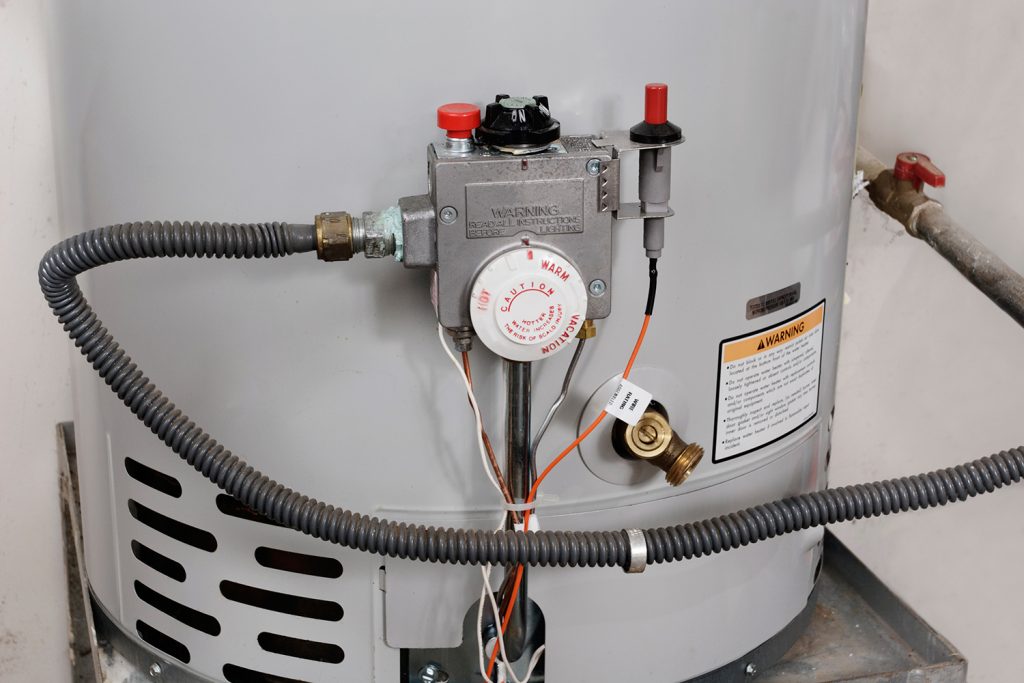
Hard water builds sediment in tanks faster at altitude. You lose hot water, hear popping from the tank, or notice moisture at the base. These signals show you the heater is struggling.
Ways to extend the life of your heater:
- Flush your heater once a year.
- Replace worn anode rods.
- Test the pressure relief valve.
- Schedule a checkup before winter.
Burst Supply Lines
A worn supply line under a sink or behind a toilet turns into a major leak without warning. Dry climate and age cause cracking. You avoid major water damage if you replace lines on a regular cycle.
Pro tip: Replace lines every five years and choose braided stainless options for stronger performance. During seasonal home checks, tighten connections and look for corrosion.
Clogged Drains
Kitchen sinks, bathroom sinks, and showers collect buildup, and unfortunately, hard water speeds up this process. If you wait, the blockage spreads through the system.
A few simple habits reduce clogs:
- Keep grease out of the kitchen sink.
- Use drain screens in bathrooms.
- Rinse kitchen drains with hot water after heavy food prep.
- Schedule drain cleaning if slow flow returns often.
Leaking Toilets
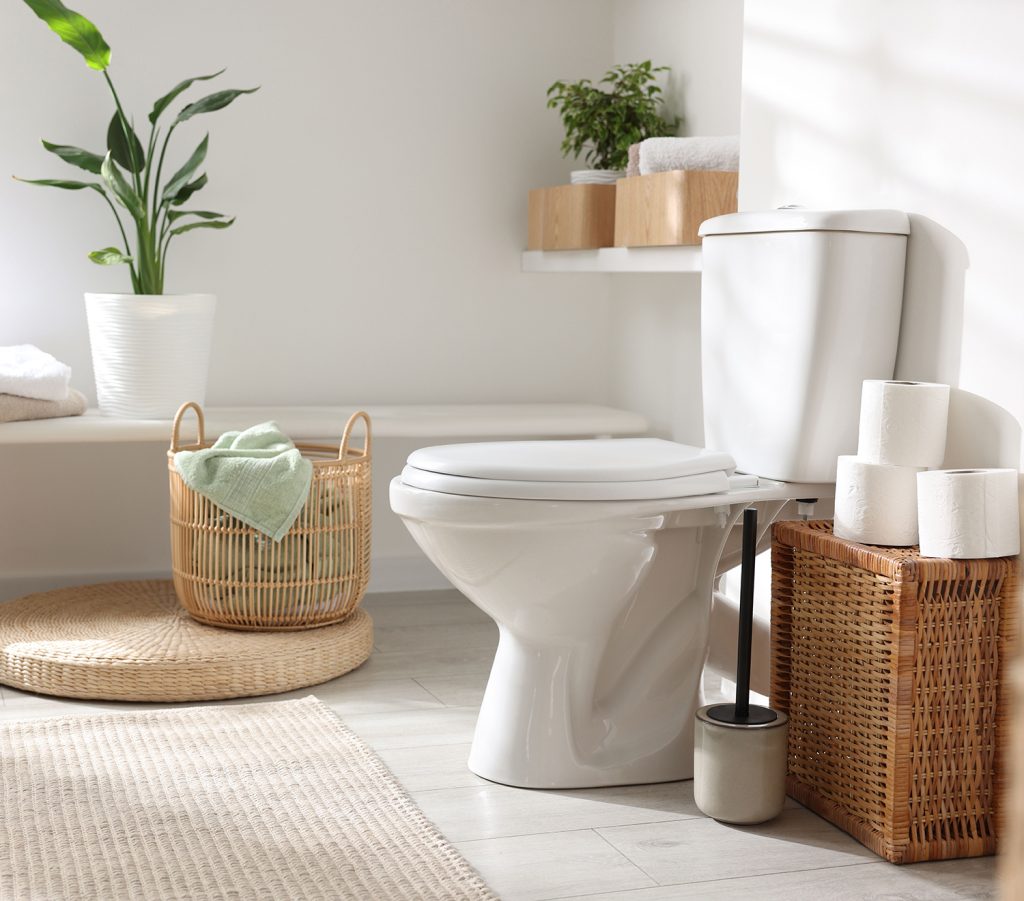
Leaking toilets cost money and damage floors. A worn flapper, loose tank bolts, or a failing wax ring can cause slow leaks.
Routine attention keeps your toilet in good shape:
- Replace flappers once a year.
- Check around the base during cleaning days.
- Listen for running water because it signals a tank issue.
Main Line Leaks
Soil shifts during freeze-thaw seasons. Older homes see movement around foundations. A weak spot in the main water line can cause a leak that softens the soil, lowers pressure, and raises your bill.
Watch for these signs:
- Wet or spongy soil in your yard
- Pressure loss inside your home
- A sudden increase in water use
Helpful steps:
- Walk your yard often.
- Test your water pressure each year.
- Add a pressure-reducing valve if needed.
Seasonal Checklist for Colorado Homes
We encourage you to adopt a simple rhythm for year-round protection.
Spring:
- Inspect your yard for soggy areas.
- Test outdoor hose bibs for leaks.
Summer:
- Check supply lines under sinks and behind appliances.
- Flush your water heater.
Fall:
- Insulate pipes before temperatures drop.
- Check gutters to keep water away from the foundation.
Winter:
- Keep indoor temperatures steady.
- Open cabinets during cold snaps.
Why Early Action Matters
Water damage grows fast and repairs cost more when problems sit too long. Small checks save time, money, and stress. Great Guys Colorado supports Colorado households with inspections, repairs, and emergency plumbing work. Remember, a short visit from us strengthens your home through every season.


0 Comments