
Choosing the right water heater is essential for any homeowner. Water heaters give you access to hot water for showers, laundry, or washing dishes. However, there are many types of water heaters, such as tankless or point-of-use solar. We wanted to break down all the considerations of these water heaters so you can select the best one for your home.
The Type of Water Heater
There are seven different types of water heaters out there. The right water heater can ensure that your home or building receives reliable hot water efficiently.
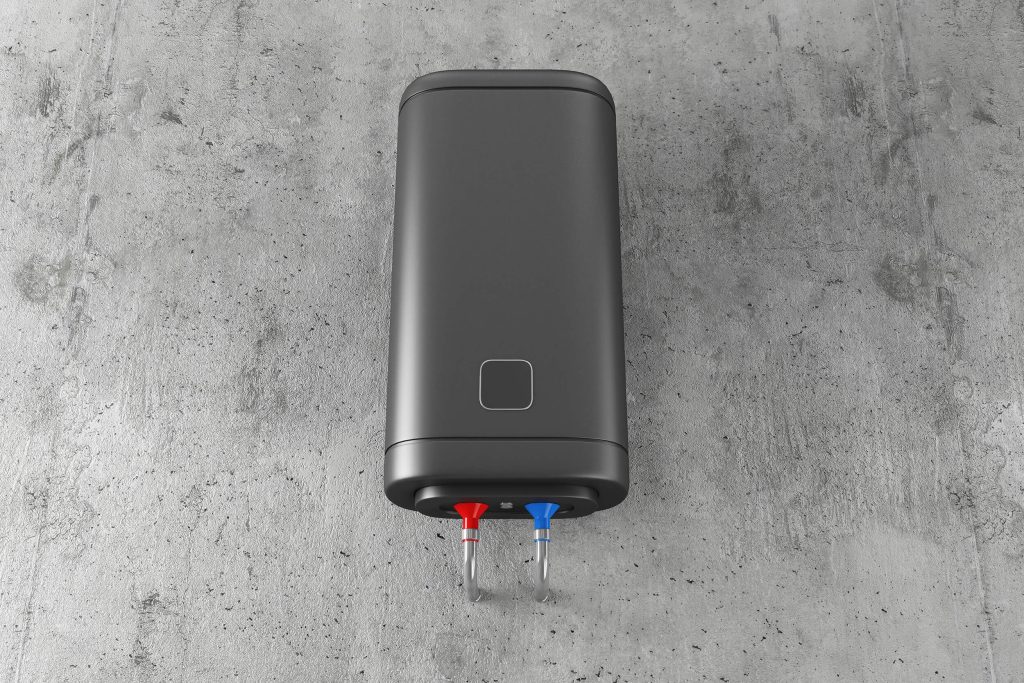
- Traditional tank water heaters: These feature a heating element and a storage tank that holds hot water until it’s needed. These water heaters are among the most affordable options, as they are widely available on the market. Typically powered by electricity or natural gas, some models can also run on liquid propane or oil.
- Tankless water heaters: These are made to rapidly heat cold water as it passes through a short series of super-heated coils to provide an endless supply of hot water. These water heaters are less than half the size of a standard tank water heater, making them ideal options for small condos, apartments, or townhouses.
- Point-of-use Water Heater: Instead of whole-home options, point-of-use water heaters only provide hot water to one plumbing fixture, such as a shower or kitchen sink. Tank point-of-use water heaters typically have a small storage tank to keep a limited amount of water ready for use.
- Solar Water Heaters: These are the best for high-efficiency and renewable energy water heating. These are very popular for homeowners who want to reduce their energy bills and create a more eco-friendly living environment. Solar water heaters use the energy from the sun to heat the water. Solar water heaters have a large insulated tank where the water is stored until it is ready to be used, similar to conventional tank water heaters.
- Hybrid Water Heater: These use a heat pump system to draw heat from the ground and air to heat the water instead of relying on a fuel source. This method of heating the water allows a hybrid water heater to use up to 60 percent less power than a conventional tank water heater.
- Combination Boiler Water Heater: A combination boiler water heater is a single unit designed to heat the home and heat the water your home uses. The boiler system distributes hot water via baseboard radiators or radiant floor systems.
- Condensing Water Heater: A condensing water heater takes advantage of the unused waste gas fumes produced by the home’s natural gas system. When natural gas is burned by the furnace, the heated waste gas is funneled into a coil at the bottom of the water heater tank to heat the water stored inside the tank.
Consider the Fuel Source You Have Access To
Water heaters generally run on electricity, natural gas, propane, or solar power. Electric water heaters are great for homes that do not have direct access to a gas line. These types are more affordable but can be expensive long-term due to the energy costs associated with them. Gas water heaters are generally more efficient and cost-effective. Gas-powered heaters are perfect for homes with natural gas access. Solar water heaters are an eco-friendly option. They use energy from the sun, helping reduce utility bills in the long run. However, the initial installation costs can be higher, and they may require a backup system for cloudy days.
Size Matters
Choosing the right size water heater ensures that your household’s hot water needs are met without overspending on energy. A water heater that’s too small won’t provide enough hot water, while one that’s too large will waste energy.

Energy Efficiency
Water heaters account for a significant portion of your home’s energy use, so it’s worth investing in an energy-efficient model. Look for units with the Energy Star label, which indicates the water heater meets the government’s energy efficiency standards. Even though these models cost more initially for installation, they will save you money on utility bills in the long run.
Consider Installation Space
Before you purchase a water heater, measure the space where you plan to have it installed. Water heaters come in various sizes, and you need to ensure there’s enough space for ventilation, maintenance, and safety. Tankless water heaters are typically more compact and can be installed on walls, freeing up floor space. On the other hand, storage tank heaters require more room but are often easier to install.
Budget and Maintenance
The price of water heaters can vary significantly based on type, size, and fuel source. It is also important to factor in the cost of installation and long-term maintenance.
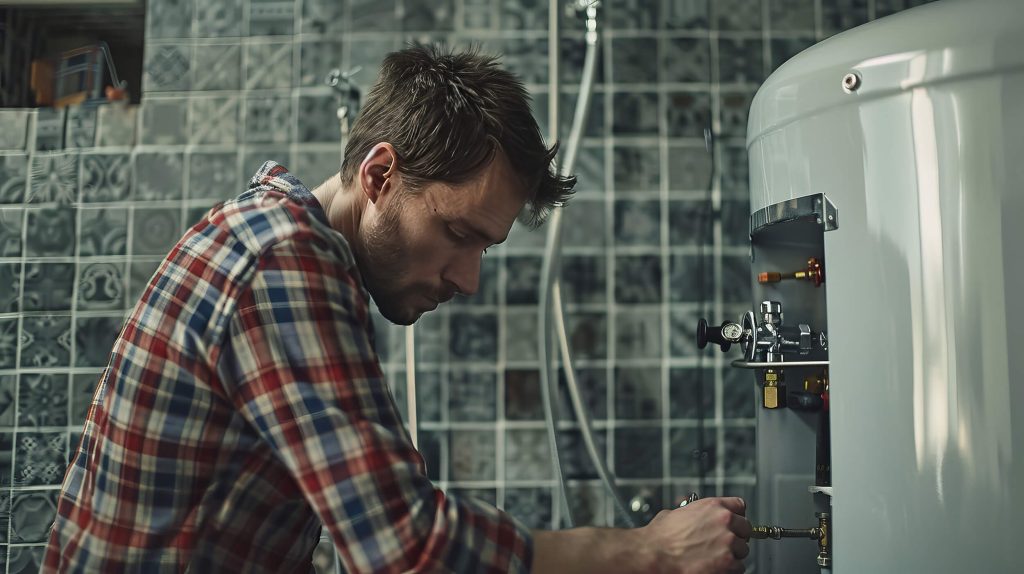
- Initial costs: Tankless water heaters are more expensive to purchase and install than traditional storage heaters. However, their longer lifespan and energy savings might make up for the price difference.
- Maintenance: Consider the ease of maintenance and the availability of replacement parts. Water heaters need regular flushing to prevent sediment buildup, and tankless models may need periodic descaling.
Whether you pick the traditional storage tank or a newer tankless model, picking an energy-efficient model can help you save money in the future. If you aren’t sure where to start, work with any of our team members at Great Guys. They can help determine the best water heater for your needs and your home. Contact us today to find out the best solution!


0 Comments