
Along the Front Range, winter does not always roll in politely. One day, you are raking leaves in a hoodie, and the next, your pipes are rattling at two in the morning. The cold here hits fast and hard, and the cost of ignoring your plumbing before that first freeze can sneak up on you. A pre-winter inspection is not just something contractors push. It is one of the easiest ways to avoid surprise bills and major headaches.
Small Problems Become Big Problems in the Cold
A tiny leak in October might look harmless. Once the temperature drops into the teens, that same leak can freeze, crack the pipe and soak a wall or crawlspace before you even wake up.
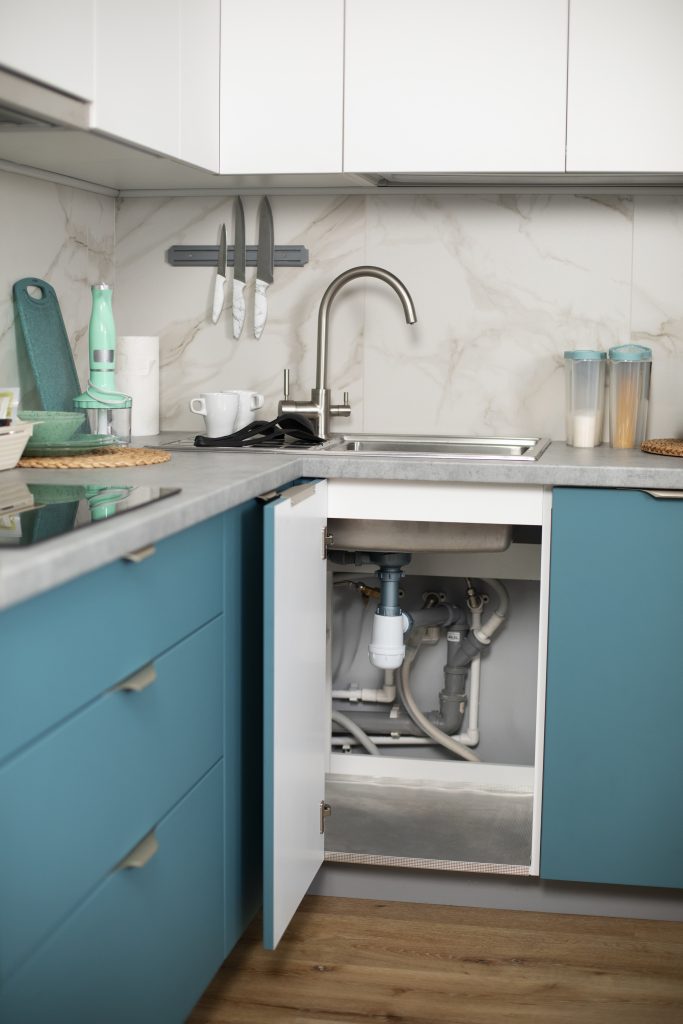
A family in Parker learned this the hard way last February. A supply line under their kitchen sink had a slow drip they kept meaning to deal with. When the cold snap hit, the line froze and burst. By the time they noticed the water, it had ruined the cabinet, warped the flooring and tracked into the basement. What would have been a simple service call in the fall turned into a several-thousand-dollar repair.
What Inspections Usually Catch

A licensed plumber can spot things homeowners miss, especially after a long summer of watering lawns, filling kiddie pools and running older fixtures. During a pre-winter inspection, they usually check:
- Exposed and exterior pipes for cracks or leaks
- Water heater efficiency and sediment buildup
- Crawlspace and garage plumbing for weak insulation
- Shut off valves and supply lines that might seize in the cold
- Outdoor faucets and irrigation tie-ins that may still hold water
It is not glamorous work, but every issue caught before a freeze is money kept in your pocket.
Outdoor Plumbing Is Often the First to Fail
Homes in the front range often have outdoor hose bibs and irrigation connections that were added after the house was built and a lot of them are shallow or poorly insulated. When those lines freeze, water backs up into the main line.
One homeowner shared that she always disconnected hoses, but never had her irrigation line blown out. After a deep freeze, the pressure split the pipe inside the wall near her laundry room. She did not see the damage until the thaw, when water poured through the drywall and into the basement ceiling. Her insurance covered some of it, but the deductible and disruption were still a punch in the gut. A fall check and blowout would have prevented the whole mess.
Water Heaters Work Overtime in Winter
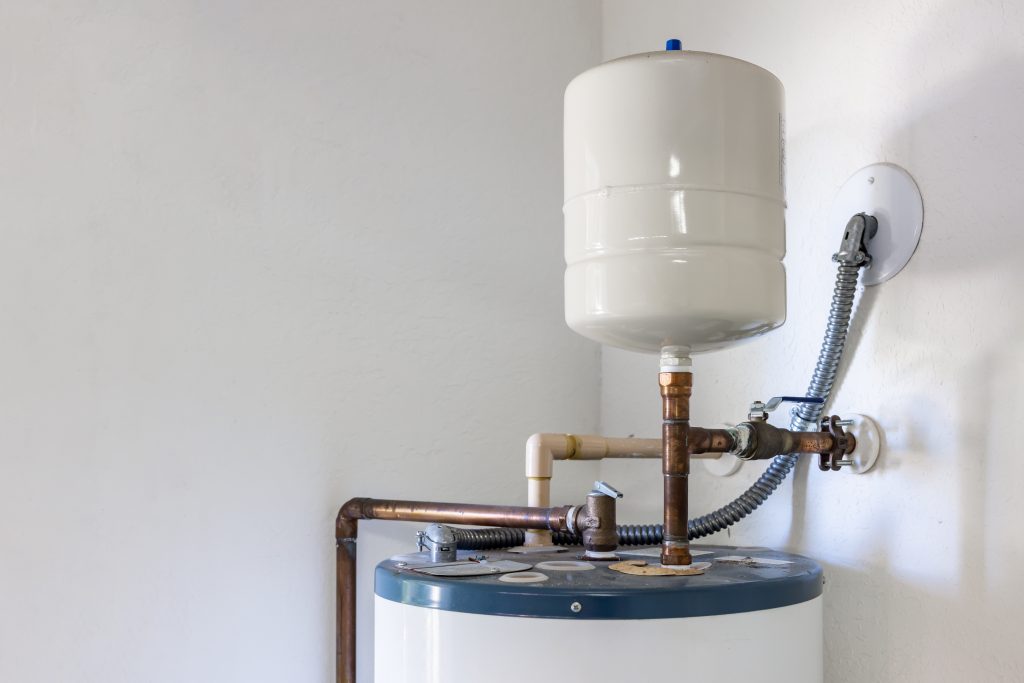
When the air outside is cold, your water heater has to work twice as hard to keep up. Sediment buildup from Colorado’s mineral-rich water can reduce efficiency and shorten the tank’s life. During inspections, plumbers often flush the system and check for signs of corrosion or failing components. What we don’t want is for you to have no idea anything is wrong until you wake up to cold showers and a rusty puddle under the unit from your tank cracking overnight. Replacing it can cost much more than a simple maintenance visit.
Frozen Pipes Are More Than an Inconvenience
When a pipe freezes, pressure builds behind the blockage. Once it cracks, water can flow into places you do not see until there is real damage. Floors, drywall, insulation and electrical systems are all at risk.
A pre-winter inspection gives you a chance to insulate exposed lines, seal unheated crawlspaces and fix weak spots. That matters even more in older homes around Englewood, Golden or Wheat Ridge, where basements and utility rooms are closer to exterior walls.
Peace of Mind Is Worth the Call
Nobody brags about calling a plumber for preventative work. But homeowners who do it once usually keep doing it. They learn quickly that ignoring plumbing in the fall costs more than checking it.
An inspection is not just about avoiding disaster. It is about catching slow wear and tear, tightening small fittings and making sure everything is ready before the temperature drops below freezing.
Get Ahead of It
The Front Range has a way of testing every part of a house once the seasons shift. Pre-winter plumbing inspections give you a head start and keep emergencies from draining your wallet. The team at Great Guys Colorado has seen too many preventable problems turn into major repairs simply because no one looked at the system before the cold set in.
If you want to avoid the stress, cost, and late-night surprises, fall is the time to act. A short visit now can save you more than you think when winter arrives.


0 Comments