
Your HVAC system works overtime in Colorado.
Cold winter mornings. Dry air that never lets up. Spring hail. Summer afternoons that heat up fast and cool down just as quickly.
All that wear adds up.
When you schedule a professional tune-up with Great Guys Colorado, you are not just checking something off your list. You are taking care of your comfort, your system, and your budget.
Here is what really happens during a visit, so you know exactly what to expect when our technician shows up.
It Starts With a Quick Conversation
Before tools come out, we talk.
Our technician asks a few simple questions:
- Has your system been louder than usual
- Do certain rooms feel warmer or colder
- Have your energy bills crept up
- When did you last change the filter
Those answers shape the rest of the visit.
If your upstairs feels hot every summer or your furnace struggles on cold mornings, that points us in the right direction fast.
You live in the home every day, which means your feedback matters.

Full System Inspection
Next comes a full check of your system. Not just the thermostat. Everything that keeps your home comfortable.
We look at both indoor and outdoor equipment, including:
- Thermostat settings and calibration
- Electrical connections and wiring
- Blower motor and fan condition
- Coils and drain lines
- Air filter
- Safety controls
- Refrigerant levels for A/C systems
- Heat exchangers and burners for furnaces
Loose wires, dirty coils, and clogged drains show up often. These small issues can turn into breakdowns if ignored, and catching them early helps you avoid surprise repairs.
Cleaning The Parts That Get Dirty Fast
Colorado dust is no joke. Dry air, construction, and pollen all find their way into your system.
During the tune-up, we clean key components like:
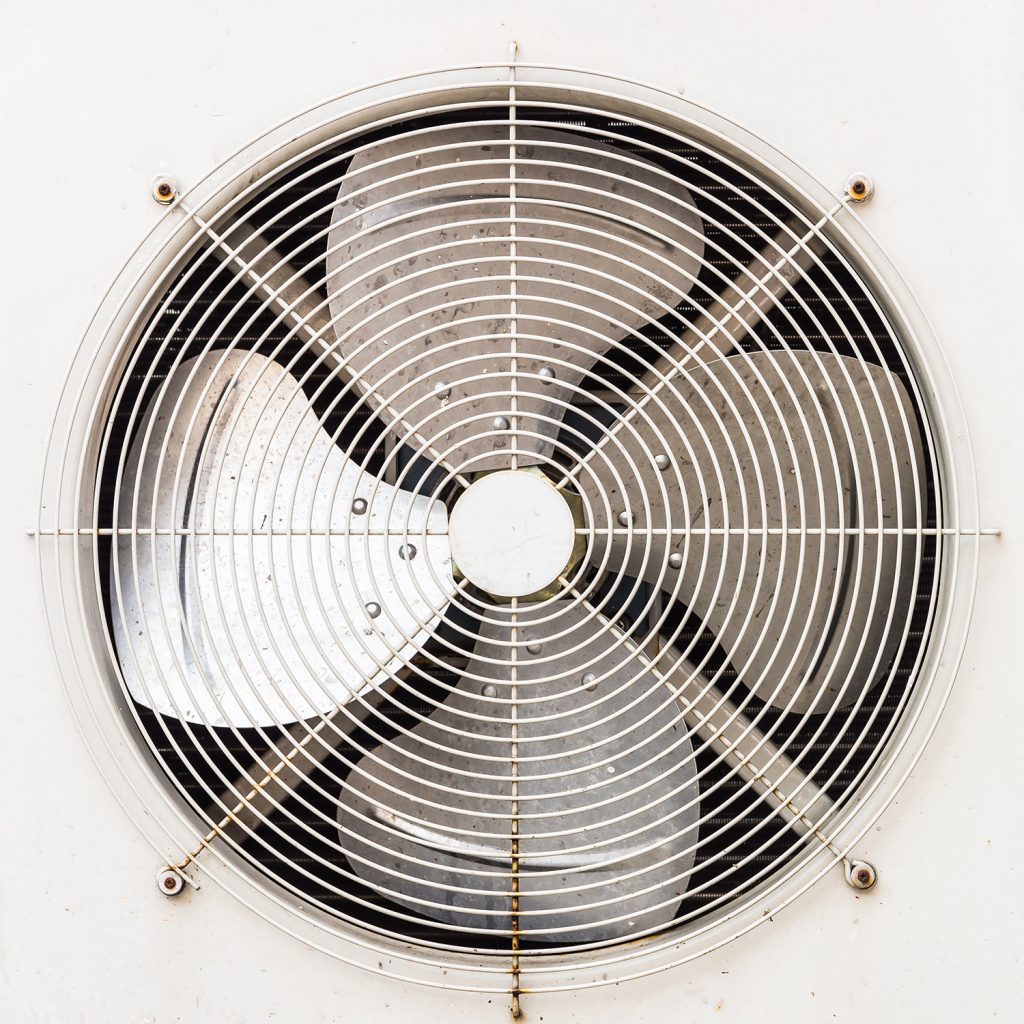
- Outdoor condenser coil
- Indoor evaporator coil
- Blower compartment
- Condensate drain line
- Burner assembly on furnaces
When coils get dirty, your system has to work harder and run longer. That extra strain shortens the life of the equipment and raises utility costs.
Cleaning helps restore proper airflow and heat transfer.
Testing System Performance
This is where we make sure things are working the way they should. Our technician measures how your system performs under real conditions.
That may include:
- Checking the temperature difference between the supply and return air
- Measuring airflow
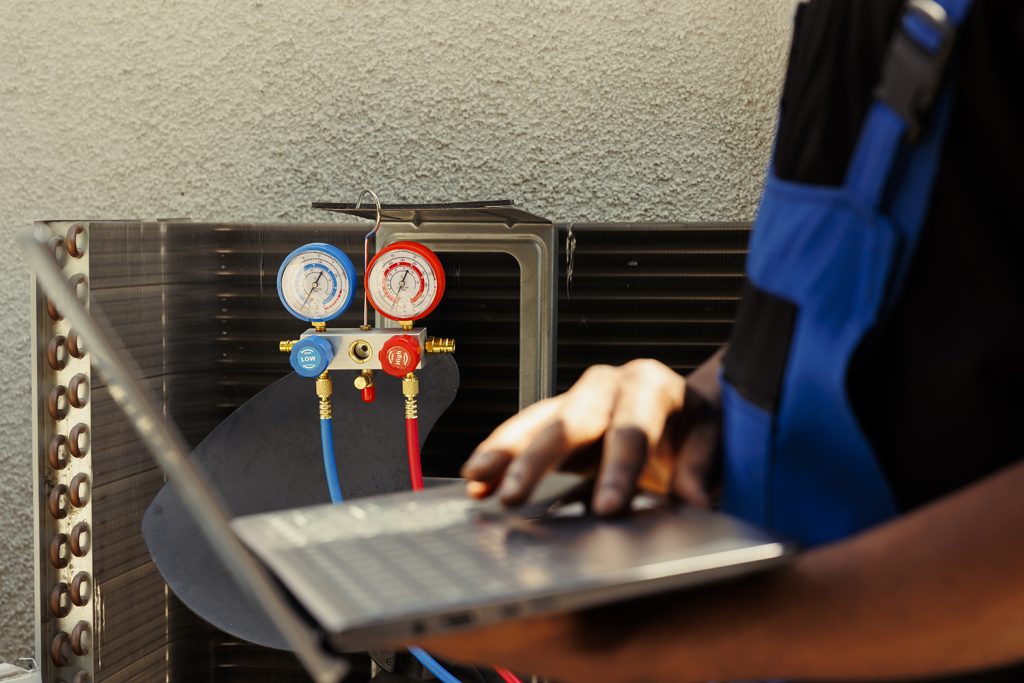
- Testing refrigerant pressure
- Monitoring motor amp draw
- Inspecting gas pressure and flame color
- Confirming safe startup and shutdown
These readings tell a clear story.
If your A/C should be dropping air temperature by 18 to 20 degrees and it is only hitting 10, something is off. That kind of issue is easy to miss without testing.
Tightening, Adjusting, and Tuning
A tune-up goes beyond inspection. We make hands-on adjustments when needed, such as:
- Tightening electrical connections
- Lubricating moving parts
- Replacing or cleaning filters
- Adjusting blower speed
- Releveling the outdoor unit
- Clearing minor blockages
Small fixes like these help parts last longer and reduce strain on the system. Regular care now can help you avoid bigger repairs later.
Safety Checks You Might Not Think About
Comfort matters, but safety comes first.
We check things like:
- Carbon monoxide risk
- Gas leaks
- Signs of a cracked heat exchanger
- Proper venting
- Emergency shutoff operation
If something does not look right, we explain what we found and what your options are. No pressure. Just clear information.
Clear Wrap Up and Next Steps
At the end of the visit, you get a straightforward summary.
You might hear:
- Everything looks good
- A part is wearing down and should be replaced soon
- Your filter needs more frequent changes
- Your system is nearing the end of its lifespan
We often share photos or readings so you can see what we see and then you decide what happens next.
How Long Does a Tune-Up Take?
Most tune-ups take about 60 to 90 minutes. Older systems or larger homes may take a bit longer.
The good news is you do not need to hover. Just make sure the equipment is accessible, and pets are secure.
Is a Tune-Up Worth It?
Ask yourself a few things:
- Would you rather plan a service visit or deal with a breakdown at night
- Do you want more predictable energy bills
- Do you want your system to last longer
Many tune-ups catch small problems that cost far less to fix early. Waiting often leads to larger, more expensive repairs.
What You Can Do Between Visits
You still play a role in keeping things running smoothly.
A few simple habits help:
- Change filters every 1 to 3 months
- Keep vents clear
- Trim plants around the outdoor unit
- Pay attention to new noises or smells
- Schedule service before peak seasons
Pair these steps with an annual semi-annual professional tune-up, and your HVAC system stays ready for whatever Colorado weather brings.
Your system works hard for you. Taking care of it pays off.


0 Comments