
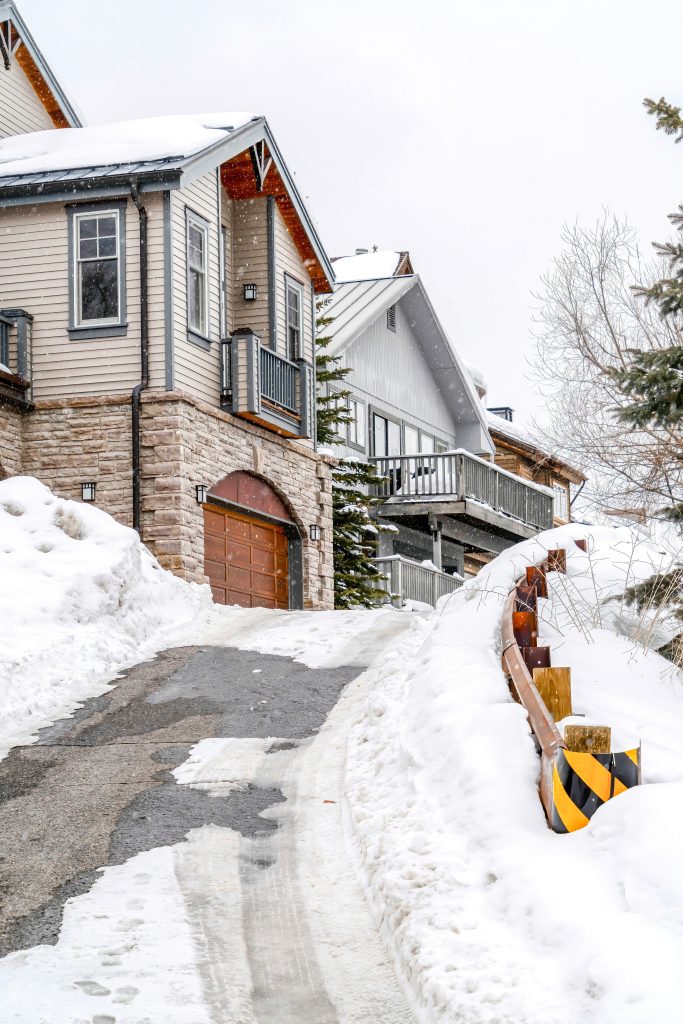
Colorado winters can sneak up on you. One day, you’re out in a light jacket, and the next night, the temps dip into the single digits across Denver Metro. Those quick swings are tough on plumbing, and frozen pipes are one of the most common calls we get during winter. They’re more than an inconvenience. When a pipe bursts, it can leave you with a flooded basement, damaged drywall, and a bill you weren’t planning for.
At Great Guys Colorado, we’ve walked into homes with kitchen floors covered in water after a line froze and cracked. We’ve seen garages turned into ice rinks because a hose bib split wide open. The good news? Most of it is preventable with a little prep work.
Know Your Risk Areas
Not every pipe in your house is equally at risk. In Denver Metro, the ones we see freeze most often include:
- Pipes running along exterior walls in older homes.
- Outdoor hose bibs and sprinkler lines.
- Plumbing in unheated garages or crawlspaces.
If you’ve ever opened a cabinet under the sink and felt a cold draft in January, that’s a warning sign.
Simple Steps That Actually Work
Here are a few easy things you can do before the next cold snap:
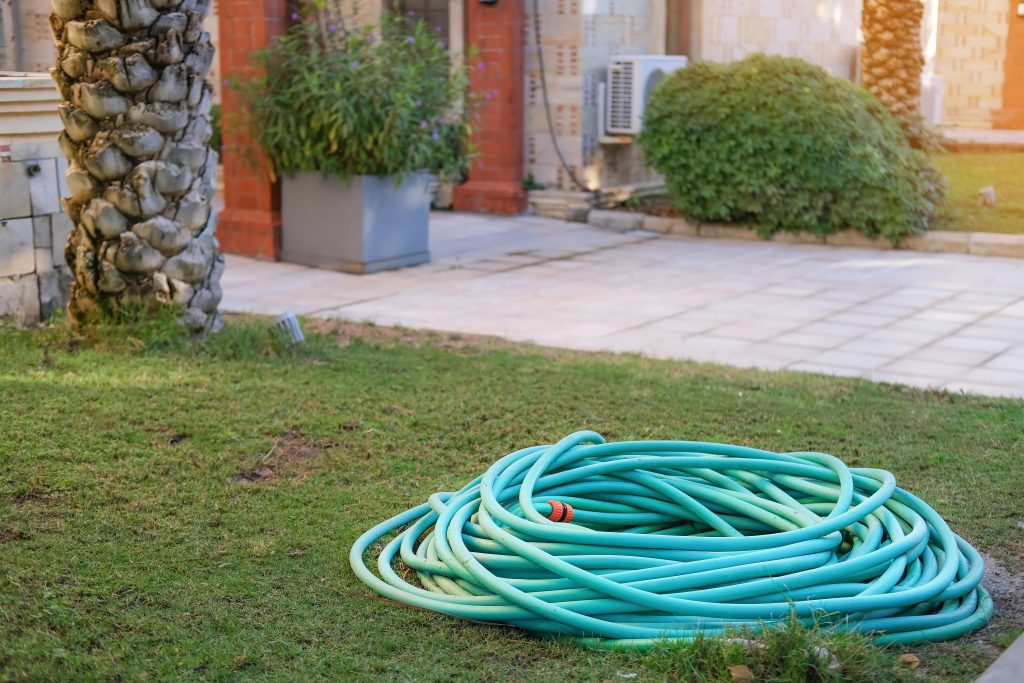
- Disconnect your hoses. A garden hose left connected is a classic cause of frozen pipes.
- Insulate exposed pipes. Foam sleeves from the hardware store can make a huge difference.
- Keep the heat steady. It’s tempting to turn down the thermostat at night, but big drops in temperature put pipes at risk.
- Open the cabinets. On especially cold nights, open kitchen and bathroom cabinets to let warm air circulate.
- Drip your faucets. A small, steady trickle of water moving through the pipes can keep them from freezing.
Why Denver Homes Are Vulnerable
Because our weather can jump from mild afternoons to freezing nights in just a few hours, pipes in Denver homes often don’t have time to adjust. This freeze-thaw pattern puts extra stress on your plumbing. Older houses, especially those in neighborhoods like Lakewood, Wheat Ridge, or Englewood, tend to have more exposed or poorly insulated pipes, which makes them especially vulnerable.
What To Do If Pipes Freeze Anyway
If you turn on a faucet and nothing comes out, don’t panic. First, shut off your main water supply to avoid a bigger mess if the pipe bursts. Then give us a call. Avoid using space heaters or open flames to thaw pipes, as we’ve seen more damage come from those quick fixes than from the freeze itself.
The Bottom Line
Frozen pipes don’t have to ruin your winter. A little preparation and some smart habits can go a long way toward keeping your home safe and dry. And if something goes wrong, Great Guys Colorado is just around the corner to help.
So before the next cold front hits, take five minutes to disconnect those hoses and check your exposed pipes. It’s a small step that could save you from a major headache later.


0 Comments