
Most Colorado homeowners don’t spend their weekends thinking about refrigerant law, but we do. And big changes are coming your way. The EPA is rolling out new regulations that will directly impact how your home’s HVAC system is serviced and what refrigerants can be used. If your system is over 10 years old, you’ll definitely want to keep reading.
Here’s what’s changing, and what you need to do to stay ahead of it.

The AIM Act: What It Is and Why It Matters
The American Innovation and Manufacturing (AIM) Act was signed into law in 2020 to phase down the production and import of HFC refrigerants. These chemicals, commonly used in air conditioning and refrigeration, are potent greenhouse gases. The goal? An 85% reduction in HFC use by 2036, aligning the U.S. with international climate efforts like the Kigali Amendment to the Montreal Protocol.
What This Means for Colorado Homeowners
If your HVAC system uses R-410A or R-22 refrigerants, you’re on borrowed time. As of January 1, 2026, new residential and light commercial HVAC systems won’t be allowed to use R-410A. Supply will become more limited, and prices for servicing older systems will spike.
Even though your current system isn’t illegal, it will become more expensive to maintain due to:
- Reduced availability of R-410A
- Higher costs of labor and refrigerants
- Shortages in HVAC-compatible materials
Understanding GWP and Why It’s Driving Change
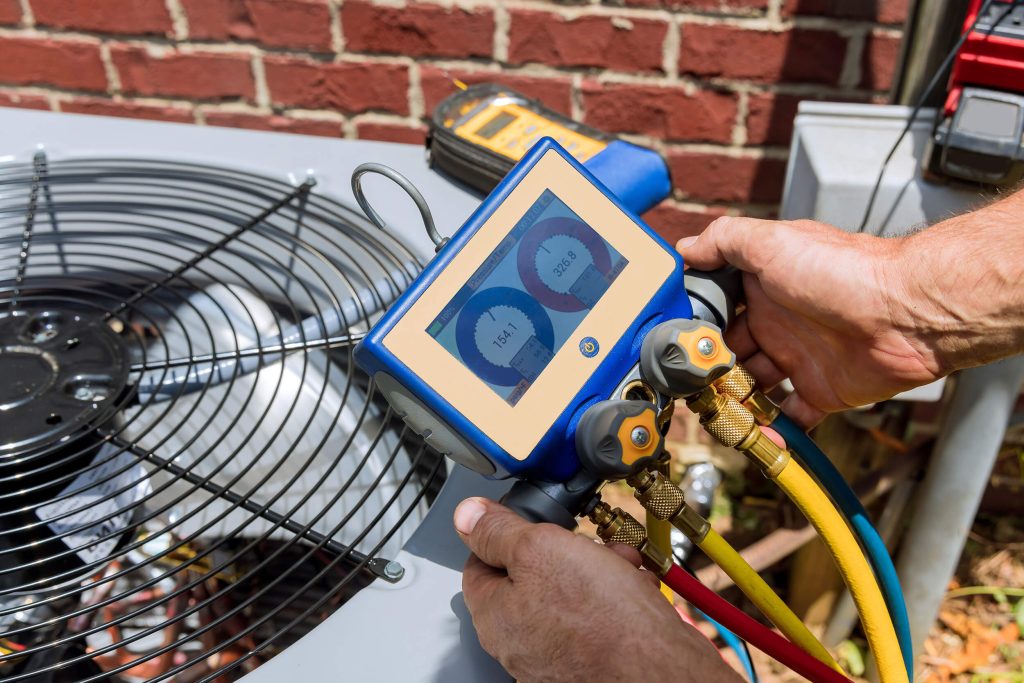
Refrigerants are rated by their Global Warming Potential (GWP). For reference:
- CO₂ = GWP of 1
- R-410A = GWP of 2,088
- R-32 = GWP of 675
- R-454B = GWP of 466
The shift to refrigerants like R-32 and R-454B is essential to reducing environmental impact. These alternatives are classified as A2L refrigerants, meaning they are mildly flammable but have low toxicity and are considered safe with proper handling.
What’s the Catch with A2L Refrigerants?
A2L refrigerants aren’t plug-and-play. They require:
- Special leak detection equipment
- New charging procedures
- Upgraded technician training
- Updates to local building codes for safe use
So yes, your HVAC tech needs to be up to speed—and luckily, the Great Guys team already is.
How This Affects You (Even If You’re Not Replacing Yet)
If your HVAC system is over 10 years old, these changes will affect you one way or another. Here’s how to prepare:
Maintain Your Current System
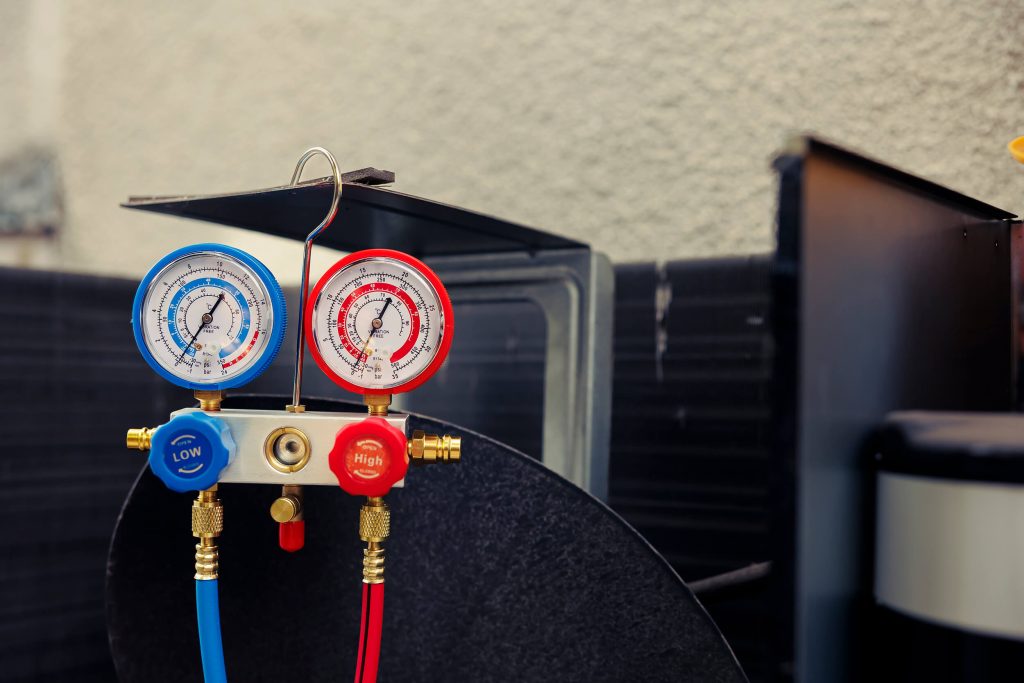
A well-maintained system is less likely to leak refrigerant and more likely to last longer. With our VIP Plan, we handle the tune-ups, inspections, and performance checks that help keep your HVAC unit efficient and compliant.
Plan for a Future Upgrade
If you’re already considering a replacement, now’s the time to act. New systems using R-410A are still allowed (for now) and are far more cost-effective than waiting until your only option is a pricier A2L-compatible unit.
Know What to Expect
Waiting too long to replace your system could mean:
- Paying 20–30% more for a new unit
- Long lead times due to supply chain issues
- Trouble finding parts or refrigerant for repairs
Don’t Wait Until It’s Urgent
HVAC system replacements are always easier when they’re planned. The AIM Act isn’t just a national issue—it affects every homeowner in Colorado. With material shortages and rising costs already starting to impact, now is the time to make informed decisions.
At Great Guys Colorado, we’re already trained and equipped for the next generation of refrigerants. Whether you’re looking to extend the life of your current system or explore your upgrade options, we’ve got your back.
Join our VIP Plan for annual HVAC inspections.


0 Comments