
Many plumbing problems do not start with a burst pipe or a major leak. They begin with small components that quietly wear out over time.
Supply lines and plumbing fixtures fall into that category.
A toilet may still flush. A faucet may still run. A washing machine supply line may show no obvious signs of damage. That does not mean those components are in good condition.
Knowing when to replace aging plumbing parts can help you avoid water damage, reduce repair costs, and keep your plumbing system working properly.
The Hidden Risk Behind Supply Lines
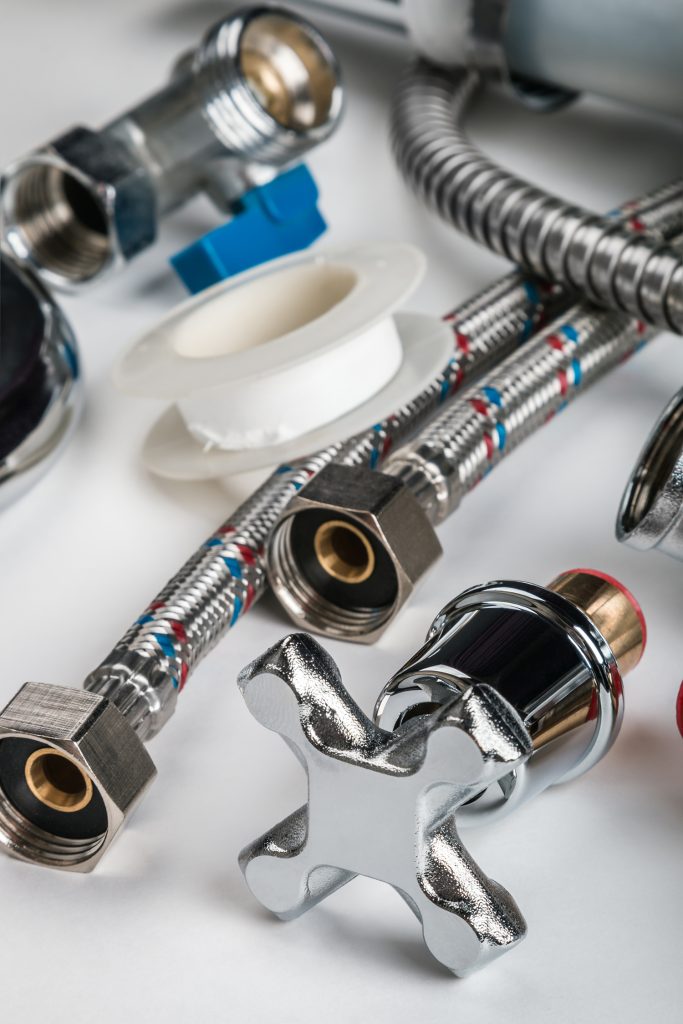
Supply lines are the flexible hoses that connect water fixtures and appliances to your home’s plumbing system. You’ll find them under sinks, behind toilets, and connected to appliances such as washing machines and refrigerators.
Because they are often hidden from view, they tend to be forgotten.
That can become a problem.
A failed supply line can release gallons of water in a short amount of time. Many emergency plumbing calls involve supply lines that appeared perfectly fine until the day they ruptured.
General Replacement Guidelines
| Supply Line Type | Typical Replacement Timeline |
| Braided stainless steel | 10-15 years |
| Plastic supply lines | 5-10 years |
| Rubber washing machine hoses | 3-5 years |
| Washing machine braided hoses | 5-10 years |
Age is only part of the equation. Water quality, usage levels, and installation quality all affect lifespan.
If you recently purchased an older home, have you checked how old those supply lines actually are?
Signs a Supply Line Needs Attention
Not every failing supply line leaks immediately.
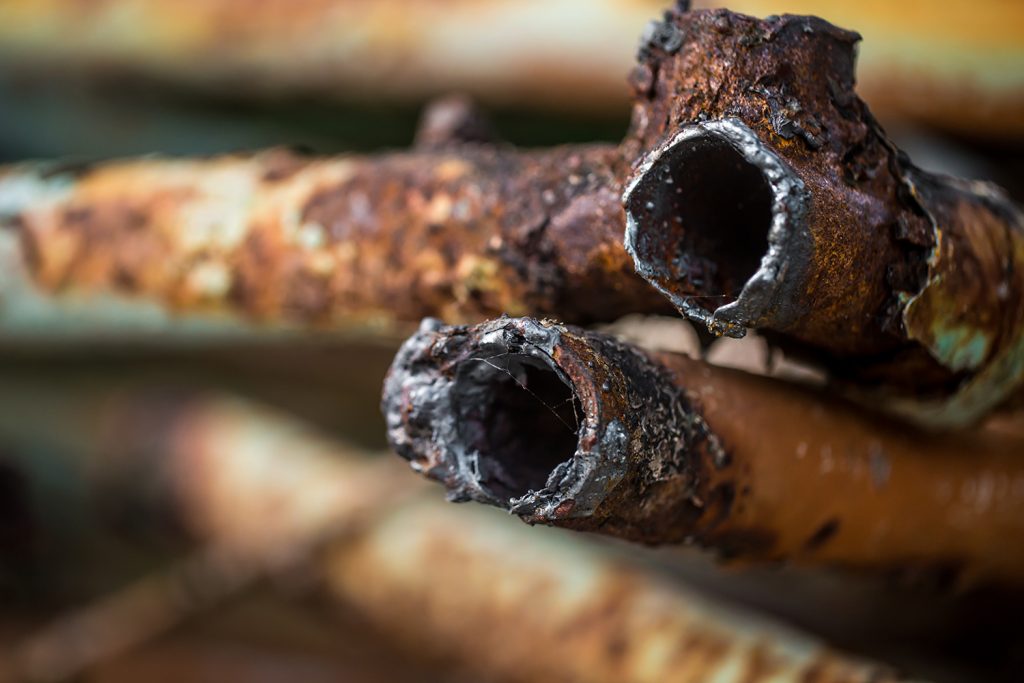
Look for these early indicators:
- Corrosion around fittings
- Kinks or sharp bends
- Fraying on braided lines
- Bulging sections
- Mineral buildup
- Slow drips near connections
Even a small drip can signal a larger issue developing behind the scenes.
A quick inspection under sinks and behind appliances takes only a few minutes but can help you spot problems before they become emergencies.
Plumbing Fixtures Have Lifespans Too
Most homeowners think about replacing fixtures when they want a new look. Appearance is only one reason to upgrade.
Over time, internal parts wear down. Seals deteriorate. Valves stop functioning properly. Mineral deposits affect performance.
You may notice rising water bills, inconsistent water pressure, or recurring repairs.
At some point, replacement becomes more practical than continued repairs.
Typical Fixture Lifespans
| Fixture | Average Lifespan |
| Kitchen faucet | 15-20 years |
| Bathroom faucet | 15-20 years |
| Toilet | 20-50 years |
| Shower valve | 15-20 years |
| Garbage disposal | 8-15 years |
| Water shut-off valves | 10-20 years |
A fixture reaching the upper end of its lifespan does not automatically require replacement. Regular performance issues often provide the better clue.
When Repairs Stop Making Sense
Imagine you have replaced the cartridge in a bathroom faucet twice within three years. The handle feels loose, the finish is worn, and the fixture no longer matches the rest of the bathroom.
At that point, another repair may not be the best investment.
The same principle applies throughout your home. Consider replacement when:
| Situation | Repair or Replace? |
| Minor leak on newer fixture | Repair |
| Multiple recurring repairs | Replace |
| Visible corrosion | Replace |
| Fixture over 20 years old with issues | Replace |
| Cosmetic upgrade project | Replace |
| Single-worn seal or gasket | Repair |
Looking at the full picture often helps homeowners make better long-term decisions.
Colorado Water Conditions Matter
Many areas throughout Colorado have hard water. Over time, minerals can accumulate inside faucets, valves, supply lines, and plumbing fixtures.
You may not notice the buildup immediately.
The effects usually appear gradually:
- Water pressure decreases.
- Fixtures become harder to operate.
- Internal components wear faster.
This is one reason two seemingly identical fixtures may age differently from one home to another.
Regular inspections become even more important when hard water is present.
A Simple Home Plumbing Checkup
You do not need specialized equipment to identify many plumbing concerns.
Walk through your home and check:
Under Every Sink
- Supply line condition
- Moisture around fittings
- Corrosion on shut-off valves
Behind Appliances
- Washing machine hose condition
- Refrigerator water line connections
Bathrooms
- Toilet supply lines
- Faucet performance
- Signs of slow leaks
Kitchen
- Faucet operation
- Garbage disposal performance
- Water shut-off valves
Many homeowners discover small issues during these inspections that can be addressed before they lead to costly damage.
Don’t Wait for a Leak to Make the Decision
Supply lines and plumbing fixtures rarely fail on a convenient schedule.
Most give warning signs long before major problems occur. The challenge is recognizing those signs and acting before water ends up where it shouldn’t be.
If your home contains aging plumbing components, replacing them proactively can help you avoid unexpected repairs, water damage, and the stress that comes with emergency plumbing situations.
Sometimes the most affordable plumbing repair is the one you never have to make.


0 Comments