
If you own a home in the Denver Metro area, you deal with hard water every day whether you realize it or not. It shows up as cloudy glasses, chalky spots on faucets, and soap that never seems to rinse clean. Those small annoyances are easy to ignore, yet they signal something bigger happening inside your plumbing system.
Denver’s water picks up calcium and magnesium as snowmelt travels through rock and soil. By the time it reaches your home, it carries enough minerals to leave deposits wherever the water flows. Over time, those deposits harden into scale. Scale coats pipes, clogs fixtures, and forces appliances to work harder than they should.
You end up paying for that stress through repairs, higher utility bills, and early replacements.
Where Hard Water Causes The Most Trouble
Hard water does not damage everything at once. It builds slowly. You might not notice anything for years, then problems start stacking up.
Here is where we see it most often when we service homes around Denver, Lakewood, Littleton, and Aurora.
Inside your pipes
Minerals stick to pipe walls and reduce the inside diameter. Less space means weaker flow and inconsistent pressure. In older homes with galvanized lines, buildup can cut flow in half. You turn on the shower and wonder why it feels weak. The issue is not the fixture. It is the pipe.
In your water heater
Your water heater takes a constant beating. Sediment sinks to the bottom of the tank and bakes into a thick layer every time the burner fires. That layer traps heat and forces the system to run longer.
You may notice:
- Popping or rumbling sounds
- Longer recovery time for hot water
- Rising gas or electric bills
- Tank failure years earlier than expected
We regularly flush tanks during service calls and see pounds of sediment come out. It is common in Denver homes.
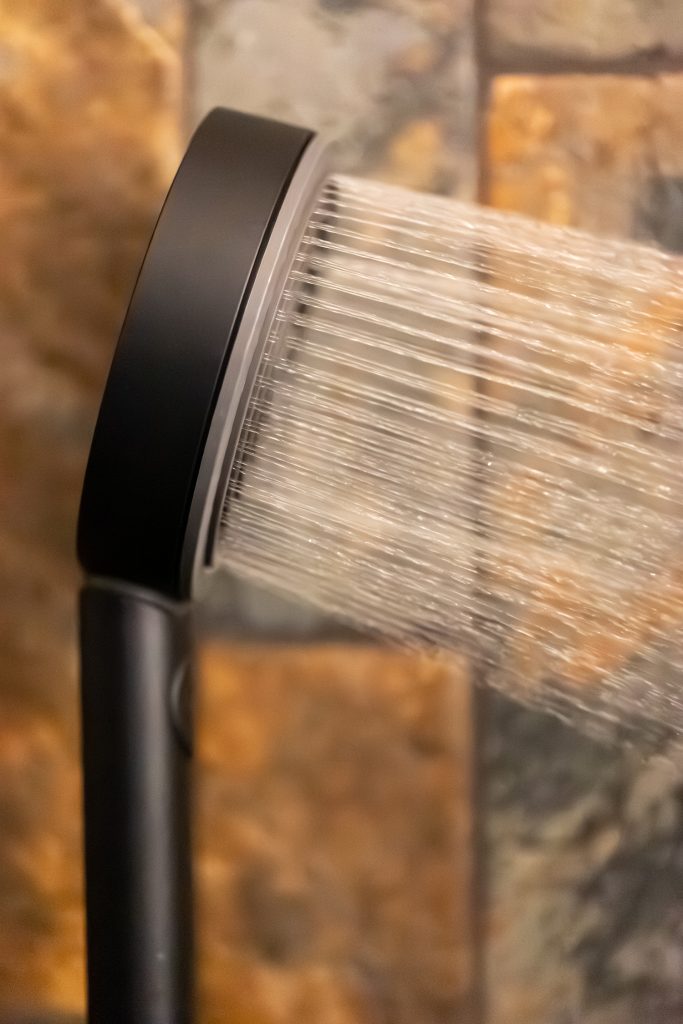
At fixtures and appliances
Showerheads clog. Faucets spray sideways. Dishwasher heating elements scale over. Washing machines struggle to rinse soap.
You replace parts, yet the issue keeps returning because the minerals never stop flowing through the system.
Quick Check Around Your Home
Walk through your house today and look for these signs. They often appear together.
- White crust around faucets or drains
- Spots on dishes after drying
- Soap that will not lather well
- Dry skin or itchy scalp after showers
- Lower water pressure than a few years ago
- Water heater making strange noises
If several of these sound familiar, hard water likely plays a role.
How Hard Water Affects Common Equipment
A simple comparison helps show why mineral buildup matters.
| Area | What Happens | What You Notice | Cost Risk |
| Pipes | Scale narrows flow | Weak pressure | Repiping or repairs |
| Water heater | Sediment traps heat | Higher bills, noise | Early replacement |
| Showerheads | Holes clog | Uneven spray | Fixture swaps |
| Dishwasher | Heating parts coat | Cloudy dishes | Service calls |
| Washer | Soap buildup | Stiff clothes | Shorter lifespan |
These costs add up fast, especially in homes that have never addressed water quality.
Practical Steps You Can Take Now
You do not need a full system overhaul to start protecting your plumbing. A few consistent habits go a long way.
Start with maintenance.
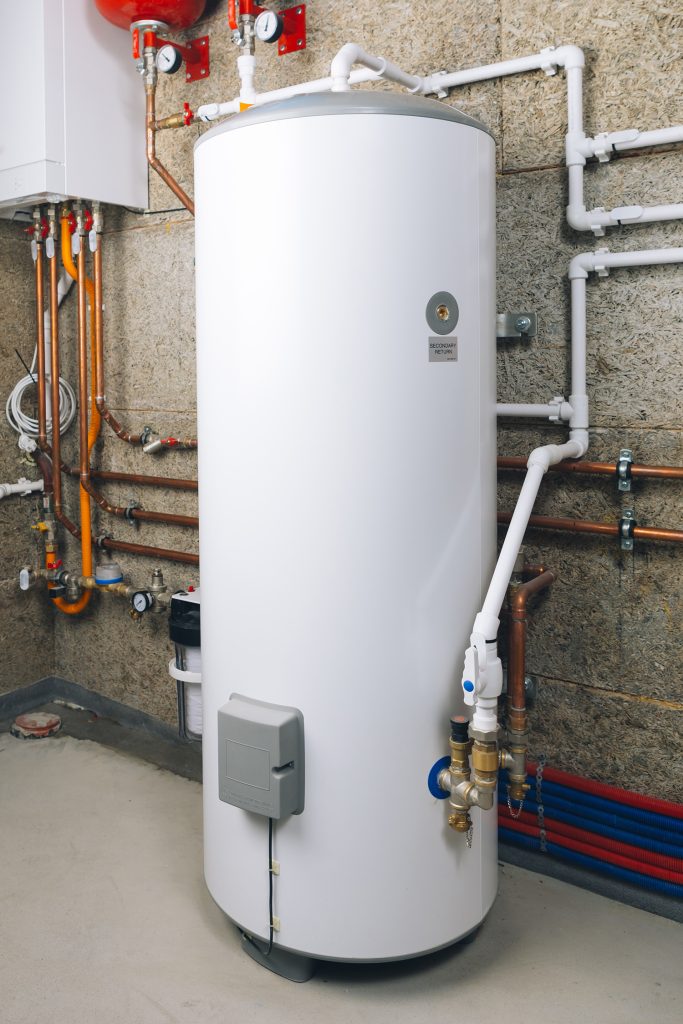
Flush your water heater once a year to remove sediment before it hardens. Clean faucet aerators and showerheads with vinegar every few months. Check for slow drains or pressure changes and deal with them early.
Then think long term.
Many Denver homeowners install a water softener. A softener removes excess minerals before water enters your plumbing. Less scale forms, appliances last longer, and soap works better. We often hear customers say their dishes look cleaner and their skin feels better within the first week.
You can also schedule periodic plumbing inspections. A local pro can test water hardness, check your heater, and look for buildup inside supply lines. Catching problems early costs far less than replacing a tank or repiping a house.
Hard water is simply part of living along the Front Range, yet the damage does not have to be. With a little attention and the right setup, you can protect your home and avoid surprise repairs. If you want help testing your water or exploring treatment options, the team at Great Guys Colorado is ready to walk you through it and keep your plumbing running the way it should.


0 Comments